
How AI and Machine Learning Are Changing Roulette Strategies
Summary
Roulette has always been a game of chance—or so we thought. With AI and machine learning creeping into every corner of our lives, it was only a matter of time before these technologies started reshaping how players approach the spinning […]
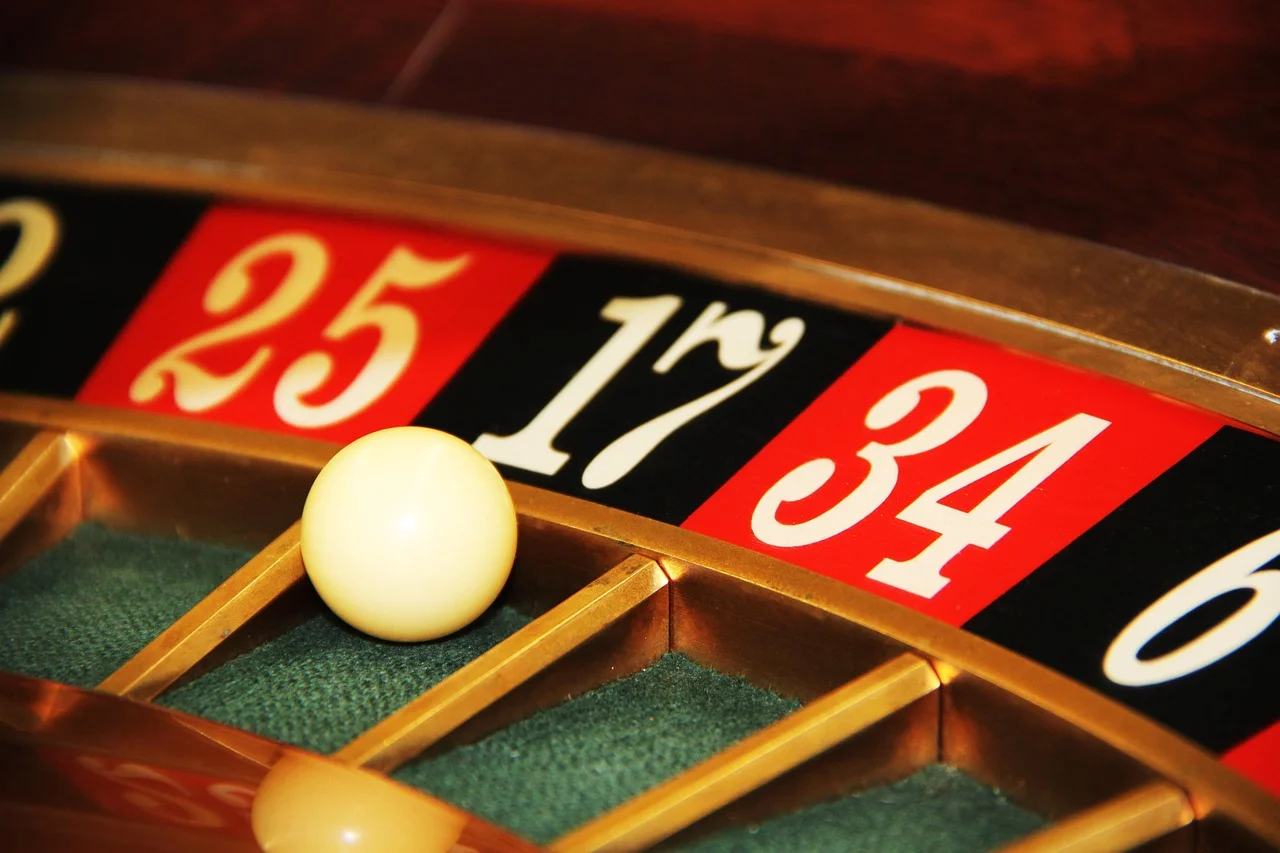
Roulette has always been a game of chance—or so we thought. With AI and machine learning creeping into every corner of our lives, it was only a matter of time before these technologies started reshaping how players approach the spinning wheel. And honestly? The changes are fascinating.
The Old School vs. The New School
For decades, roulette strategies relied on gut feelings, betting systems like Martingale or Fibonacci, and a sprinkle of superstition. But AI doesn’t care about hunches. It crunches numbers, spots patterns, and—here’s the kicker—learns from them.
That said, let’s be clear: AI isn’t some magic bullet that guarantees wins. Roulette still has that pesky house edge. But machine learning is making strategies smarter, more adaptive, and, well, less guesswork.
How AI Analyzes Roulette
AI doesn’t just look at past spins and call it a day. Modern algorithms process thousands of data points—wheel speed, ball trajectory, dealer habits, even minute biases in the wheel itself. Here’s how it breaks down:
- Predictive Modeling: AI can simulate millions of spins to identify statistical anomalies. If a wheel favors certain numbers slightly more often, machine learning will sniff it out.
- Real-Time Adjustments: Unlike static strategies, AI adapts on the fly. If the wheel’s behavior changes mid-game, so does the algorithm’s approach.
- Dealer Patterns: Some AI tools analyze the dealer’s spin force and release point. Over time, subtle consistencies emerge.
The Rise of “Smart Betting”
Gone are the days of blindly doubling down after a loss. AI-powered tools—often used in online casinos—suggest bets based on real-time probabilities. Think of it like a GPS rerouting you around traffic. Only here, the traffic is bad odds.
For example, some platforms now offer:
- Dynamic bet sizing (adjusting wagers based on confidence levels)
- Heatmaps of “hot” and “cold” numbers
- Risk assessment scores for each spin
Ethical Gray Areas
Sure, this all sounds impressive—but is it fair? Casinos have long banned devices like “wearable computers,” and AI tools tread a fine line. While predicting pure randomness is impossible, exploiting tiny biases? That’s a different story.
Some argue AI levels the playing field. Others call it cheating. Either way, casinos are fighting back with:
- More frequent wheel maintenance
- Random number generators (RNGs) in digital roulette
- Stricter surveillance for “suspicious” betting patterns
What This Means for Players
For the average player, AI’s impact is twofold. First, it’s democratizing high-level analysis—tools once reserved for pros are now apps anyone can download. Second, it’s forcing casinos to up their game, literally. Fairer wheels mean fewer exploitable flaws.
Here’s a quick comparison of old vs. new strategies:
| Traditional Strategy | AI-Enhanced Approach |
| Martingale System (double bets after losses) | Adaptive betting based on win probability |
| Betting on “lucky” numbers | Targeting statistically favored numbers |
| Fixed bankroll management | Dynamic bankroll algorithms |
The Future: Where Do We Go From Here?
AI in roulette is still in its wild west phase. Some players swear by it; others dismiss it as overhyped. But one thing’s certain: the tech isn’t going away. As machine learning gets sharper, so will the strategies—and the countermeasures.
Maybe the real win here isn’t beating the house. It’s realizing that even in a game steeped in tradition, innovation finds a way.